
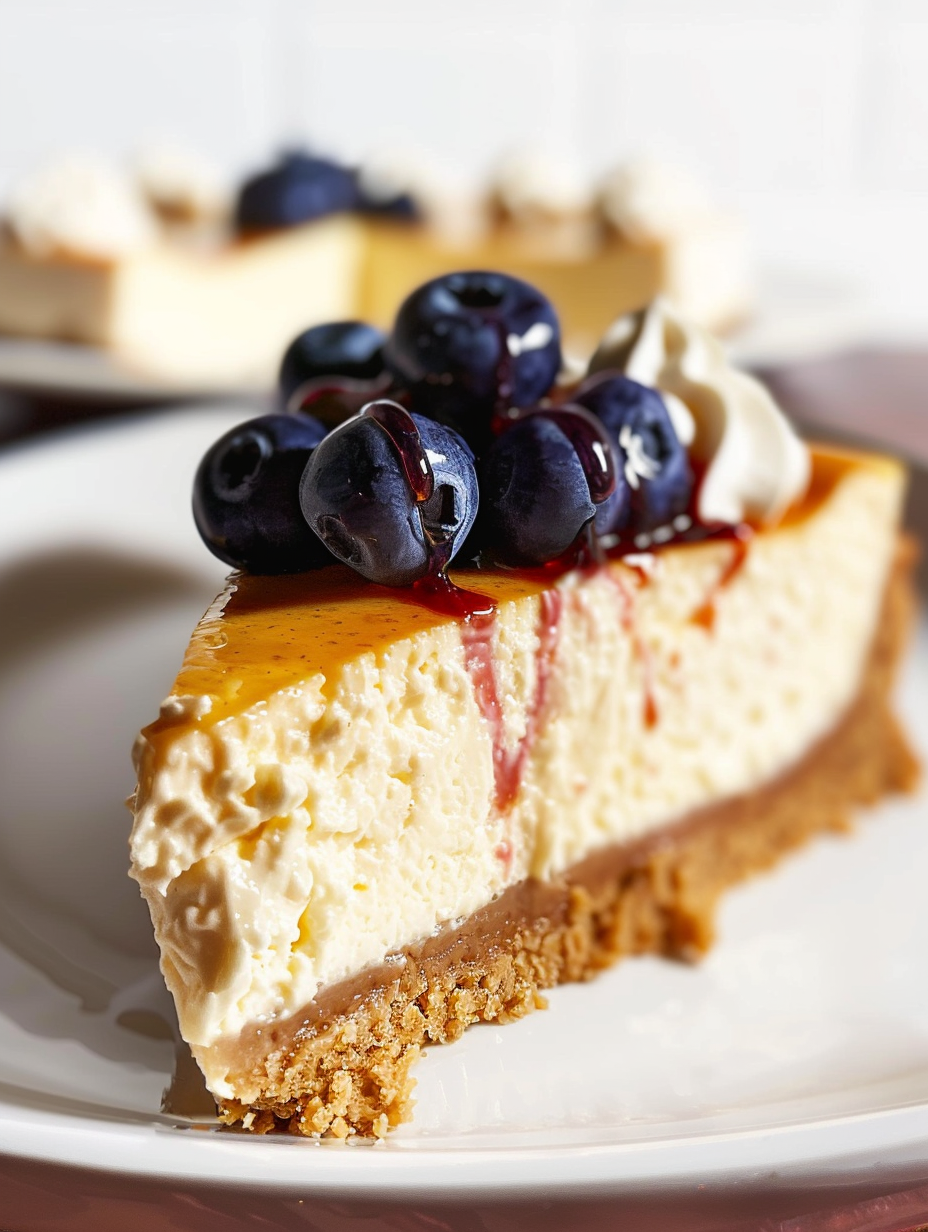
Ditch the guilt and dive fork-first into the ultimate fitness dessert: a protein cheesecake so creamy and decadent, you’ll forget it’s packed with nearly 20 grams of protein per slice. This recipe is your secret weapon for satisfying sweet cravings without derailing your goals, using a brilliant blend of cream cheese and Greek yogurt for a tangy, rich flavor that rivals any traditional version.
What Is a Protein Cheesecake?
A healthy, macro-balanced dessert that replaces much of the sugar and fat with protein powder and Greek yogurt, delivering a creamy texture and satisfying richness.
Forget dense, chalky protein bars. This protein cheesecake is the real deal. It’s a masterful recipe re-engineered for the health-conscious, slashing carbs and sugar while boosting the protein content to muscle-building levels. The result is a dessert that feels indulgent but aligns perfectly with fitness, keto, or simply balanced eating.
The combination of cream cheese and Greek yogurt creates a perfect tangy base, while high-quality protein powder adds structure and sweetness without the need for cups of sugar. If you love rich desserts but hate the sugar crash, this is your new go-to recipe.
The Core Ingredients: Why They Work
This isn’t just about substituting ingredients; it’s about smart swaps that enhance flavor and texture. Cream cheese provides the classic, rich body. Greek yogurt (or blended cottage cheese) adds creaminess and a protein boost while cutting through the richness.
Unflavored or vanilla protein powder acts as both a sweetener and a structural agent, helping the cheesecake set without becoming eggy. The almond flour crust adds a nutty, satisfying crunch with minimal carbs, making it gluten-free and keto-friendly.
How to Make Protein Cheesecake.
You simply blend all filling ingredients until smooth, pour over a pre-baked almond crust, and bake low and slow for a crack-free, creamy finish.
The process is surprisingly simple, much easier than fussy traditional recipes. Start by preheating your oven to 300°F (150°C). For the optional crust, mix almond flour with melted butter until it resembles wet sand.
Press it into a parchment-lined springform pan and bake for 10 minutes until golden. Let it cool. This step creates a fantastic textural contrast, but you can go crustless for even fewer carbs.
The magic happens in the blender or food processor. Add your room-temperature cream cheese, Greek yogurt, protein powder, keto sweetener, eggs, vanilla, and a splash of lemon juice. The key is to blend just until smooth.
Over-mixing incorporates too much air, leading to bubbles and potential cracking. If mixing by hand, whisk the cream cheese, yogurt, protein powder, and sweetener first until lump-free, then incorporate the eggs one at a time.
Pour the luxurious batter into your prepared pan. Bake for 45-50 minutes. The center should still have a slight jiggle—like firm Jell-O—when you gently shake the pan. This is crucial for creaminess. Turn off the oven, crack the door open, and let the cheesecake cool inside for 30 minutes.
This gradual temperature change prevents shocking the delicate custard, ensuring a smooth top. Finally, refrigerate for at least 4 hours, preferably overnight. This sets the texture perfectly, making it easy to slice.
| Nutrient | Amount per Serving |
|---|---|
| Calories | 180 kcal |
| Fat | 9 g |
| Carbohydrates | 7 g |
| Fiber | 2 g |
| Sugar | 4 g |
| Protein | 19 g |
Ingredient Breakdown.
Every component is chosen for maximum flavor and macro efficiency, creating a dessert that’s both nutritious and crave-worthy.
Let’s dive deeper into why these specific ingredients are non-negotiable for the perfect high protein dessert.
| Ingredient | Role & Best Choice |
|---|---|
| Cream Cheese (16 oz) | Provides the essential rich, tangy base. Must be full-fat and softened to room temperature for a smooth blend. |
| Greek Yogurt (1.5 cups) | Adds creaminess, protein, and cuts calories. Use full-fat for richest texture, or low-fat for fewer calories. Blended cottage cheese is a great high-protein alternative. |
| Protein Powder (3 scoops) | The star for boosting protein. Unflavored or vanilla whey/casein blends work best for neutral flavor and excellent texture. Avoid plant-based powders unless you know they bake well. |
| Keto Sweetener (1/3 cup) | Sweetens without spiking blood sugar. Allulose or erythritol-based blends work best and don’t have a cooling aftertaste. |
| Almond Flour (1.5 cups) | Creates a delicious, gluten-free, low-carb crust that’s nutty and satisfying. It soaks up butter beautifully for a crisp base. |
Avoiding Common Pitfalls
Room temperature ingredients are non-negotiable. Cold cream cheese will create lumps. Don’t over-mix the batter after adding eggs—this prevents a soufflé-like rise and fall. Always use a water bath if your oven runs hot, though the low baking temperature in this recipe minimizes cracking.
The most important step? Patience during the cooling and chilling phases. Rushing this will give you a soft, messy slice.
Flavor Variations & Serving Ideas.
This protein cheesecake base is a blank canvas for endless creativity, from fruity swirls to rich chocolate indulgence.
The basic recipe is a flawless classic, but personalizing it is easy. For a chocolate protein cheesecake, replace one scoop of vanilla protein with chocolate protein powder and fold in sugar-free chocolate chips. For a berry swirl, gently swirl a few tablespoons of sugar-free raspberry or strawberry jam into the batter before baking.
A tablespoon of lemon zest along with the juice will amplify the citrus notes for a bright, refreshing twist.
Serving is where the fun begins. Top slices with a quick compote made from frozen berries heated with a little sweetener, a dollop of whipped cream, or a drizzle of sugar-free chocolate sauce. For a complete high-protein meal finale, serve a slice alongside a scoop of our delicious protein ice cream.
Storage & Make-Ahead Tips
This cheesecake is a fantastic make-ahead dessert. Once chilled and set, it can be covered tightly and stored in the refrigerator for up to 5 days. For longer storage, slice it and wrap individual portions in plastic wrap before freezing for up to 2 months.
Thaw overnight in the fridge. The texture holds up beautifully, making it a perfect grab-and-go healthy treat.
Why Choose This Recipe?
It delivers the authentic, creamy experience of cheesecake while packing a serious protein punch, making it the ultimate smart swap for any dessert lover.
This recipe stands out because it refuses to compromise. You get the velvety, dense, tangy bite of real cheesecake, not a rubbery or chalky imitation. The macro profile is exceptional—high protein, moderate healthy fats, and low net carbs—fitting seamlessly into various dietary approaches. It’s also incredibly versatile. Enjoy it as a post-workout refuel, a satisfying afternoon snack, or an impressive dessert for guests who would never guess it’s ‘healthy’.
If you’re exploring the world of high-protein baking, this cheesecake is the perfect starting point, just like our famous protein brownies are for chocolate lovers. It proves that eating well doesn’t mean sacrificing the joy of a truly decadent dessert.
Ready to revolutionize your dessert game? This protein cheesecake is your ticket to enjoying every single bite, completely guilt-free. It’s more than a recipe; it’s a proof that healthy eating can be deeply delicious and satisfying. Preheat your oven, grab your blender, and get ready to bake the best cheesecake of your life—one that loves your body back.
The Recipe
Print
Cheesecake (With Greek Yogurt)
- Prep Time: 10 min
- Cook Time: 50 min
- Total Time: 55 min (plus chilling)
- Yield: 12 servings 1x
- Category: Dessert
- Method: Baked
- Cuisine: American
- Diet: Gluten-Free, Low-Carb, High-Protein
Description
A creamy, decadent baked cheesecake packed with 19g of protein per slice. Made with Greek yogurt and protein powder, it’s a healthy, low-carb dessert that tastes indulgent.
Ingredients
16 ounces cream cheese (softened to room temperature)
1 1/2 cup Greek yogurt (or drained and blended cottage cheese)
3 scoops protein powder (unflavored or vanilla)
3 large eggs
1/3 cup keto sweetener
1 tablespoon vanilla extract
1 tablespoon lemon juice (optional)
1 1/2 cup almond flour
4 tablespoons butter (melted)
Instructions
- Pre-heat the oven to 300 °F (150 °C).
- For the crust: Mix almond flour and melted butter. Press into a parchment-lined 8- or 9-inch springform pan. Bake for 10 minutes until golden. Let cool.
- For the filling: In a blender or food processor, combine cream cheese, Greek yogurt, protein powder, eggs, keto sweetener, vanilla, and lemon juice. Blend just until smooth and combined.
- Pour the filling over the cooled crust (or into a parchment-lined pan for crustless).
- Bake at 300°F for 45-50 minutes, until set with a slight jiggle in the center.
- Turn off the oven, crack the door, and let the cheesecake cool inside for 30 minutes.
- Refrigerate in the pan for at least 4 hours, or overnight, before slicing and serving.
Notes
- Use room temperature ingredients for a smooth batter. Do not over-mix after adding eggs to avoid air bubbles.
- For a crack-free top, allow the cheesecake to cool gradually in the turned-off oven.
- The cheesecake must be thoroughly chilled to set properly; overnight is best.
- Keto sweeteners like allulose or erythritol blends work best. Adjust to taste.
Nutrition
- Serving Size: 1 slice
- Calories: 180 kcal
- Sugar: 4 g
- Fat: 9 g
- Carbohydrates: 7 g
- Fiber: 2 g
- Protein: 19 g