
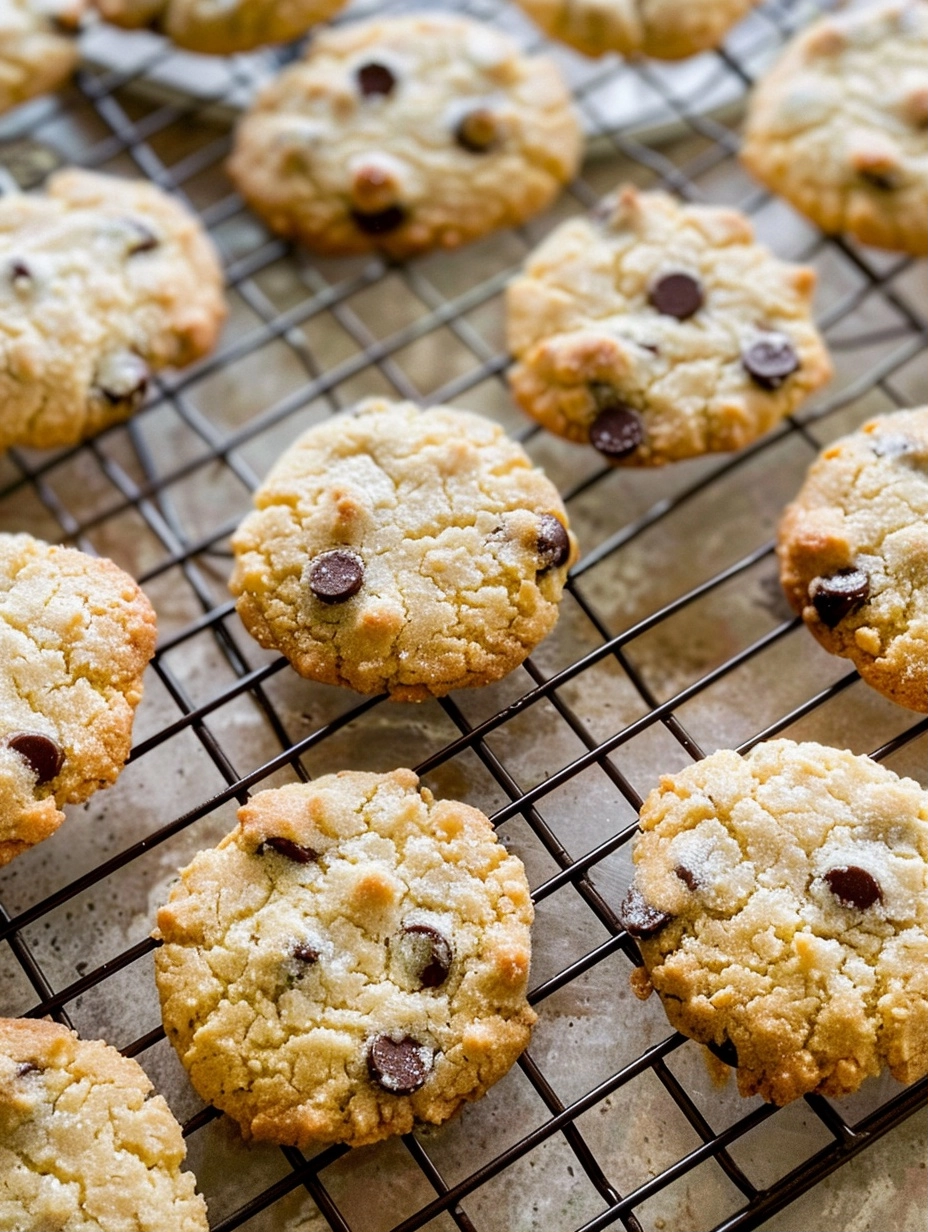
These cottage cheese cookies offer a chewy, cake-like texture while packing a significant protein punch without any refined flour or white sugar. If you searching for a guilt-free treat that satisfies your sweet tooth and your fitness goals, this recipe belongs in your permanent rotation.
Most people overlook cottage cheese as a baking ingredient, but it provides incredible moisture and a creamy base that rivals traditional butter and egg combinations.
Why Cottage Cheese Cookies are Healthier
Cottage cheese acts as a nutrient-dense substitute for traditional fats, providing high-quality casein protein that keeps you full longer. Unlike standard cookies that rely on empty calories from butter and sugar, these treats use healthy fats from coconut oil and fiber-rich almond flour.
You will notice the texture is uniquely soft and slightly dense, making for a satisfying snack or even a quick post-workout meal.
| Ingredient | Benefit |
|---|---|
| Almond Flour | Low glycemic index and high in Vitamin E |
| Cottage Cheese | Slow-digesting protein and calcium |
| Maple Syrup | Natural sweetener with antioxidants |
| Protein Powder | Boosts muscle recovery and satiety |
Essential Ingredients for Success
Choosing high-quality ingredients ensures the best flavor and texture for your protein cookies. Many bakers prefer whole milk cottage cheese because the extra fat content creates a richer mouthfeel and prevents the cookies from becoming too dry. If you use a lower fat version, just know the cookies might have a slightly different crumb structure.
The Role of Protein Powder
Plant-based protein powder usually works best for these cookies because it absorbs moisture more effectively than whey. Whey protein can sometimes cause baked goods to become rubbery if overbaked. By choosing a high-quality vanilla plant protein, you add both flavor and a structural foundation that mimics wheat flour without the gluten.
Always measure your powder accurately to ensure the dough remains pliable.
Almond Flour vs. Wheat Flour
Almond flour provides a nutty depth and a high concentration of healthy fats. Because it is gluten-free, you do not have to worry about over-mixing the dough and creating a tough cookie.
It also ensures the cookies remain moist for days after baking. If you are allergic to nuts, you might consider oat flour, though the liquid ratios may need slight adjustment.
Step-by-Step Instructions
Mastering this recipe requires just a few simple steps and a reliable blender to get that cottage cheese perfectly smooth. If you skip the blending step, your cookies will have small curds of cheese visible, which some people enjoy, but for a professional look, blending is key.
Blending for Texture
Start by combining your cottage cheese, maple syrup, and vanilla in a high-speed blender. You want to process this until it looks like a thick, glossy cream. This liquid base distributes the sweetness and the protein evenly throughout the dough. It replaces the traditional creamed butter and sugar method found in historic cookie recipes.
Mixing the Dough
Whisk your dry ingredients together first to avoid clumps of protein powder. Once you add the blended mixture and the melted coconut oil, the dough will become thick and slightly sticky. This is normal.
Use a sturdy spatula to fold in the chocolate chips. If the dough feels too soft to handle, you can chill it in the refrigerator for 20 minutes to firm up the coconut oil.
Expert Baking and Storage Tips
Baking treats with protein powder requires a watchful eye to prevent dryness. Set your timer for 15 minutes and check the bottoms; once they turn a light golden brown, they are ready to come out of the oven. They will continue to set as they cool on the tray, so do not overbake them.
Storage Guidelines
Because these cookies contain dairy and have high moisture content, you should store them in an airtight container in the refrigerator. They stay fresh for up to 5 days. For longer storage, freeze them in a single layer before transferring to a freezer bag. They thaw beautifully at room temperature in about 20 minutes.
Customization Ideas
Feel free to swap the chocolate chips for dried cranberries or chopped walnuts. Some bakers add a dash of cinnamon or nutmeg to the dry mix for a more seasonal flavor profile. If you want a chocolate version, replace 2 tablespoons of almond flour with unsweetened cocoa powder.
Nutritional Analysis
| Nutrient | Amount Per Serving |
|---|---|
| Calories | 124 kcal |
| Protein | 8 g |
| Total Fat | 8 g |
| Carbohydrates | 9 g |
| Fiber | 2 g |
| Sugar | 6 g |
| Sodium | 103 mg |
Frequently Asked Questions
Can I use honey instead of maple syrup? Yes, honey works well, though it may result in a slightly browner cookie due to its higher sugar concentration. Can I use fat-free cottage cheese? You can, but the cookies will be less tender.
I recommend adding a teaspoon more of coconut oil if using fat-free dairy to compensate for the lost moisture.
The Recipe
Print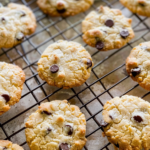
Cottage Cheese Cookies
- Prep Time: 10 min
- Cook Time: 15 min
- Total Time: 25 min
- Yield: 15 servings 1x
- Category: Dessert
- Method: Baking
- Cuisine: American
- Diet: Gluten-Free, High-Protein
Description
A delicious, high-protein cookie made with cottage cheese, almond flour, and vanilla protein powder for a guilt-free treat.
Ingredients
1 cup 4% milkfat cottage cheese
¼ cup pure maple syrup
1 teaspoon vanilla
1 cup (106 grams) lightly packed almond flour
2 Tablespoons melted coconut oil
½ cup (53 grams) vanilla protein powder
½ cup chocolate chips
Instructions
- Preheat oven to 350°F and line a baking sheet with parchment paper.
- In a blender, add the cottage cheese, maple syrup and vanilla. Blend on high until smooth.
- In a mixing bowl combine almond flour and protein powder. Add the coconut oil and cottage cheese mixture. Stir until combined.
- Fold in the chocolate chips.
- Scoop dough onto prepared baking sheet using a medium cookie scoop and flatten slightly with your hands.
- Bake for 15-16 minutes until the bottoms are golden brown.
- Let cool on the sheet for five minutes then transfer to a wire rack.
Notes
- Use plant-based protein powder for the best texture.
- Store cookies in the refrigerator to maintain freshness.
- Ensure cottage cheese is blended completely smooth for a professional finish.
Nutrition
- Serving Size: 1 cookie
- Calories: 124 kcal
- Sugar: 6 g
- Sodium: 103 mg
- Fat: 8 g
- Saturated Fat: 4 g
- Unsaturated Fat: 4 g
- Trans Fat: 0 g
- Carbohydrates: 9 g
- Fiber: 2 g
- Protein: 8 g
- Cholesterol: 5 mg